


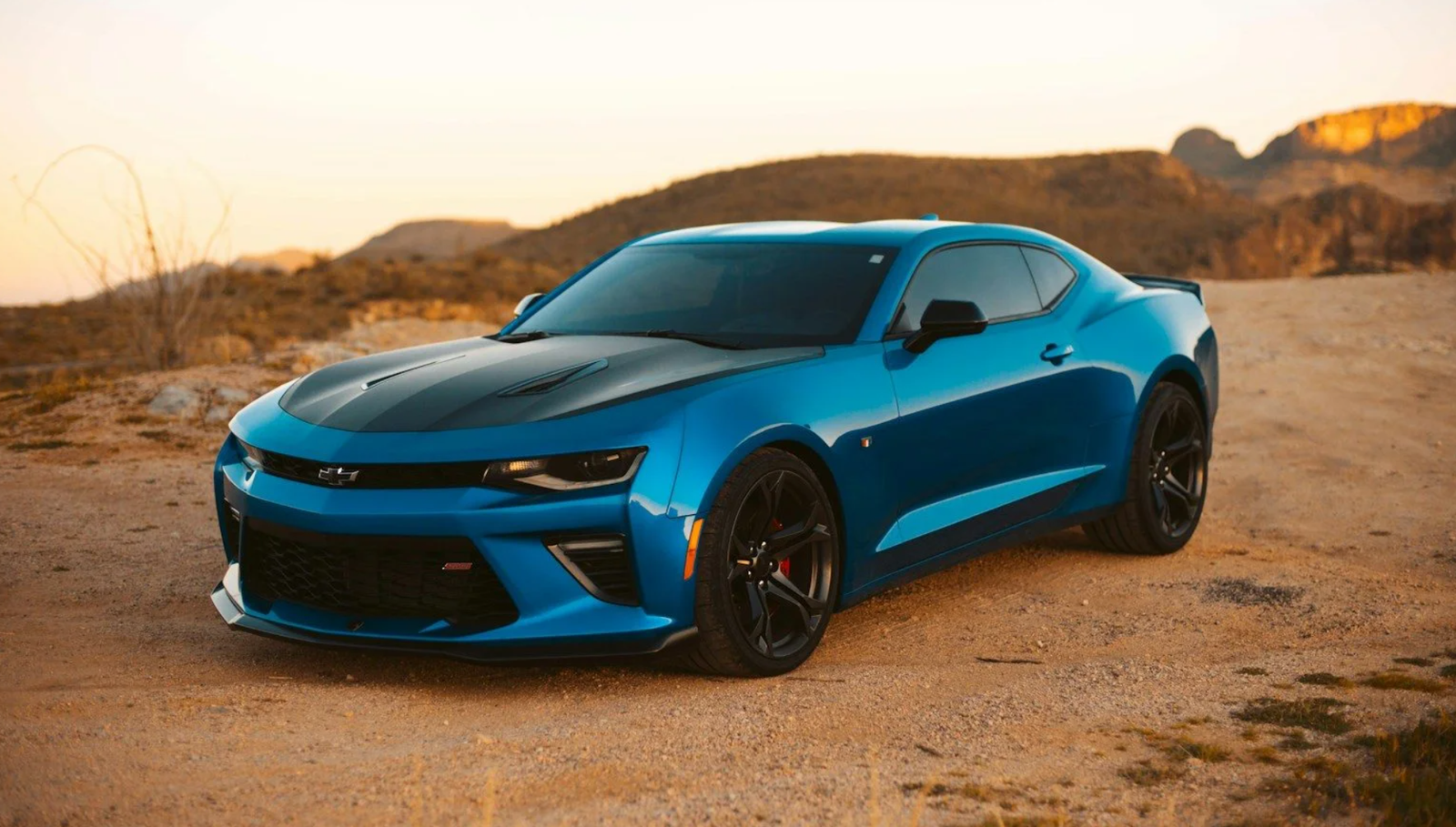
Buying a Chevrolet can be an appealing option for drivers looking for a practical sedan, a family-friendly SUV, or a capable pickup truck. However, the purchase price is only one part of the total cost of owning a vehicle. Routine maintenance, replacement parts, labor charges, and unexpected repairs can all affect your budget over time.
Understanding these expenses before choosing a vehicle can help you compare models more confidently and avoid financial surprises. Whether you are considering a new or used Chevrolet, factors such as mileage, maintenance history, vehicle age, and warranty coverage can influence future repair costs. Drivers researching their options through a Chevy dealer near The Villages can benefit from learning what to inspect and which ownership expenses to consider before making a decision.
Understand the Difference Between Maintenance and Repairs
One of the first things to understand is the difference between routine maintenance and unexpected repairs. Maintenance includes the regular services needed to keep a vehicle operating properly, while repairs address worn, damaged, or malfunctioning components.
Routine maintenance may include oil and filter changes, tire rotations, brake inspections, air filter replacements, and fluid checks. These services are generally predictable, making them easier to include in an ownership budget.
Repairs can be less predictable. Depending on the vehicle’s condition, they might involve replacing a battery, repairing an air-conditioning system, addressing suspension problems, or diagnosing an engine issue.
Chevrolet recommends following the maintenance schedule specified in the owner’s manual because service requirements vary by model and powertrain. Keeping up with recommended maintenance can help identify developing problems before they become more serious.
Consider the Chevrolet Model You Choose
Different Chevrolet models have different maintenance requirements, components, and potential repair expenses. Your intended use should therefore influence your choice.
The Chevrolet Malibu, for example, may appeal to drivers seeking a traditional midsize sedan. Its size can suit commuting and everyday transportation, although the condition and age of an individual vehicle remain important factors when estimating repair needs.
The Chevrolet Equinox offers SUV practicality for individuals and families who want flexible cargo space. When comparing used models, pay attention to service records, engine performance, transmission operation, and the condition of the suspension.
Drivers considering a Chevrolet Silverado should account for its intended workload. Towing, hauling, and frequent use on rough roads can increase wear on tires, brakes, suspension components, and other systems.
Electric models such as the Chevrolet Equinox EV have different maintenance needs from gasoline-powered vehicles. They do not require engine oil changes, but tires, brakes, suspension parts, cabin filters, and other systems still need attention. High-voltage battery and electrical-system repairs may require specialized expertise.
No single model is automatically the cheapest to maintain in every situation. Comparing the condition, mileage, service history, and powertrain of individual vehicles gives you a more useful picture of potential expenses.
Check the Vehicle’s Age and Mileage
A vehicle’s age and mileage can provide useful clues about its future maintenance requirements. Older cars and trucks may have more wear on rubber hoses, seals, suspension components, batteries, and electrical connections.
Higher mileage does not necessarily mean a Chevrolet is a poor choice. A well-maintained vehicle with detailed service records may be a better option than a lower-mileage vehicle that has received inconsistent care.
Ask for maintenance records and check whether important scheduled services have been completed. Depending on the model, these may include transmission servicing, spark plug replacement, cooling-system maintenance, or inspections of belts and hoses.
During a test drive, pay attention to unusual noises, rough shifting, vibrations, warning lights, and inconsistent braking. These symptoms do not always indicate a major problem, but they should be investigated before purchase.
A professional pre-purchase inspection can help identify existing issues and provide a clearer understanding of repairs that may be needed soon.
Learn Which Components May Need Replacement
Every vehicle contains components that wear out through normal use. Understanding these items can help you plan for ownership expenses without assuming that every repair will happen immediately.
Brakes and tires: Brake pads, rotors, and tires wear according to driving habits, road conditions, vehicle weight, and maintenance. Pickup trucks and SUVs may have different tire replacement costs from smaller sedans because of their tire sizes and specifications.
Battery and electrical components: A conventional vehicle’s battery eventually needs replacement. Alternators, sensors, switches, and other electrical components can also develop faults as a vehicle ages.
Suspension and steering: Worn shocks, struts, bushings, and steering components can affect handling and ride comfort. Rough roads, heavy loads, and frequent towing may increase wear.
Engine and transmission systems: These systems can be expensive to repair when serious problems occur. Regular maintenance, appropriate fluid levels, and attention to warning signs are important for long-term reliability.
The timing and cost of replacement depend on the particular vehicle. Consult its maintenance schedule and request estimates from a qualified repair facility rather than relying on general mileage assumptions alone.
Understand Parts and Labor Costs
The total cost of a repair includes more than the replacement part. Labor, diagnostic time, taxes, and additional materials can all affect the final bill.
Some repairs require relatively straightforward work, while others involve removing multiple components to reach the affected part. Vehicles with advanced driver assistance systems or complex electronic components may also require specialized diagnostic equipment or calibration after certain repairs.
Chevrolet vehicles can be serviced by dealership technicians or qualified independent repair shops. Compare written estimates when appropriate, and ask whether the quoted price includes parts, labor, diagnostic fees, and any required calibration.
Genuine GM parts and compatible aftermarket alternatives may differ in price, availability, and warranty terms. The right option depends on the component, the vehicle’s condition, and the manufacturer’s requirements.
Choosing the lowest quote without understanding what it includes may not provide the best long-term value. Look for clear pricing, appropriate parts, and qualified technicians.
Review Warranty Coverage Before Buying
Warranty coverage can make a significant difference when an unexpected mechanical problem occurs. However, coverage depends on the vehicle’s age, mileage, warranty terms, and service history.
Chevrolet’s published new-vehicle warranty information describes limited bumper-to-bumper coverage and powertrain coverage, subject to specific time and mileage limits. A used vehicle may have little or no remaining original coverage, so buyers should confirm its actual warranty status.
If you are considering a certified pre-owned Chevrolet, ask for the applicable warranty details and find out which components are covered. Also review exclusions, deductibles, claim procedures, and whether coverage can be transferred.
An extended service contract may offer additional protection, but it is important to read the terms carefully. Some plans exclude wear items, pre-existing conditions, or particular mechanical and electrical components.
Do not assume that every repair will be covered simply because a vehicle has a warranty. Confirm the details before including potential coverage in your ownership budget.
Build a Realistic Repair Budget
A practical ownership budget should account for both predictable maintenance and unexpected repairs. Start by identifying the services recommended for your chosen model and estimating their costs using local service quotes.
Consider setting aside money regularly for repairs rather than waiting until something goes wrong. The amount you need depends on the vehicle’s age, mileage, condition, and how frequently you drive.
Before purchasing, compare the complete cost of several vehicles rather than focusing only on their asking prices. A vehicle with a slightly higher purchase price but a documented maintenance history may offer better value than one requiring immediate repairs.
It is also helpful to check for outstanding recalls using the vehicle identification number (VIN). Recall repairs performed through an authorized Chevrolet dealer are generally completed at no charge when covered by the applicable recall.
Conclusion
Repair costs are an important part of choosing a Chevrolet because they influence the long-term affordability of vehicle ownership. Model type, mileage, maintenance history, parts availability, labor charges, and warranty coverage can all affect how much you spend after the purchase.
Before making a decision, review service records, test-drive the vehicle, arrange a professional inspection, and request estimates for any identified issues. Research the maintenance schedule and set aside a reasonable amount for future expenses.
By evaluating the vehicle’s condition and expected ownership costs together, you can choose a Chevrolet that fits your driving needs and budget while reducing the likelihood of unexpected financial surprises.
